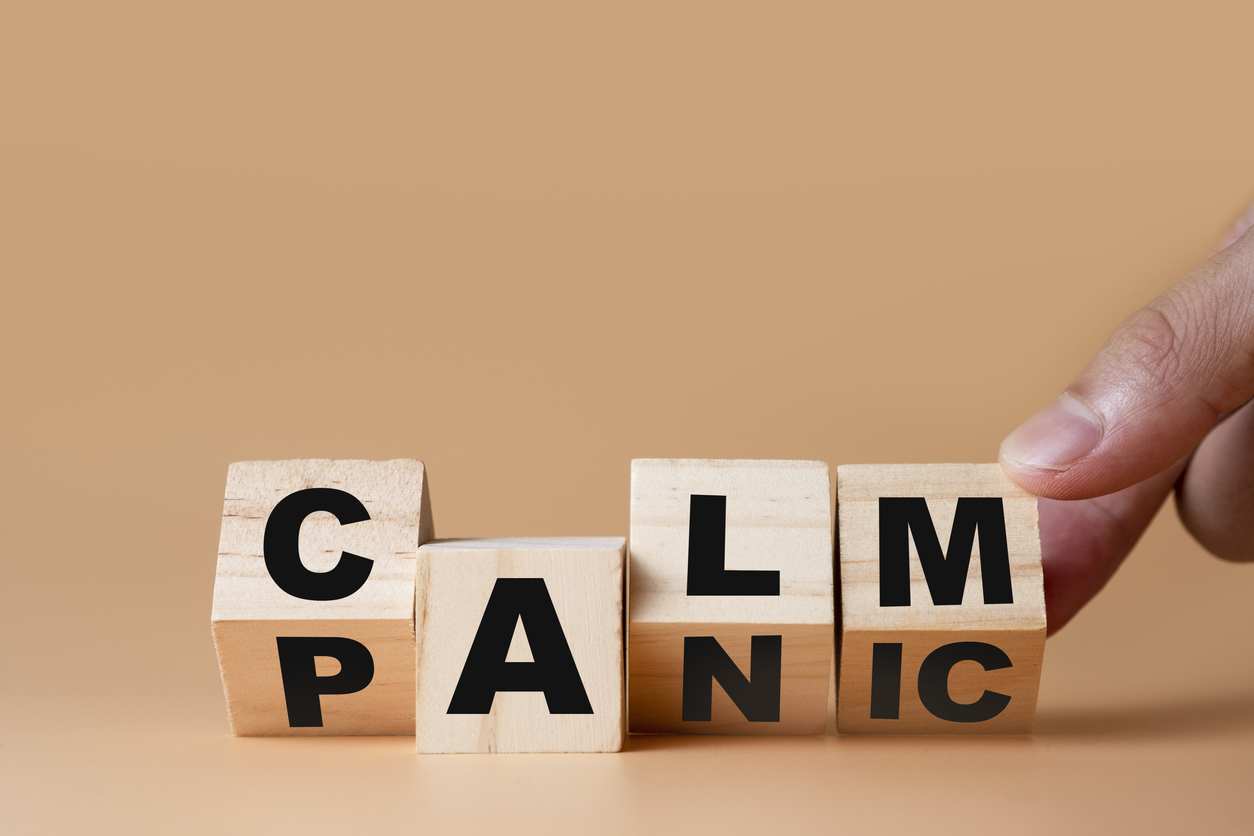


- Menopause and perimenopause involve significant hormonal changes that directly affect brain chemistry, mood, cognition, and emotional wellbeing.
- Psychological symptoms include anxiety, depression, irritability, brain fog, and reduced self-esteem. These are real and valid responses to hormonal change, not personal weakness.
- Symptoms are often most pronounced during perimenopause, when oestrogen and progesterone levels fluctuate most unpredictably.
- Effective support includes medical options such as HRT, psychological therapies including CBT and ACT, and practical lifestyle strategies.
- With the right information and support, it is possible to navigate this transition and feel well again.
Are you noticing waves of anxiety that feel unfamiliar? A persistent mental fog that makes even straightforward tasks feel harder than they should? Or an irritability that seems to appear without much warning?
If you are a woman in your 40s or 50s, it can be easy to attribute these experiences to stress, disrupted sleep, or the general pressures of life. But for many women, there is a significant biological process contributing to what they are feeling: the menopause transition.
While physical symptoms such as hot flushes and night sweats are widely recognised, the psychological effects of menopause are often less discussed and sometimes dismissed. Many women find themselves questioning their own responses, wondering whether something is wrong with them. In most cases, what they are experiencing is a real and understandable response to significant hormonal change.
Understanding the psychological dimension of menopause is an important part of moving through this transition with clarity and appropriate support.
What Is Menopause and Perimenopause?
It helps to begin with clear definitions.
- Perimenopause is the transitional phase that can begin several years before the final menstrual period. During this time, hormone levels, particularly oestrogen and progesterone, shift, sometimes unpredictably. This phase can last anywhere from a few months to several years.
- Menopause is reached after 12 consecutive months without a menstrual period. It marks the end of a woman’s reproductive years.
- Postmenopause refers to the years that follow menopause, during which hormone levels remain consistently lower.
Psychological symptoms can be most pronounced during perimenopause, when hormonal fluctuations tend to be more variable and less predictable than they are once menopause is established.
The Psychological Symptoms of Menopause: More Than Just Mood Swings
The hormonal changes of perimenopause and menopause can directly influence brain chemistry. Oestrogen plays a role in regulating serotonin (associated with mood), dopamine (linked to motivation and pleasure), and norepinephrine (which supports focus and alertness). As oestrogen levels decline, the regulation of these systems can be disrupted, contributing to a range of psychological symptoms that are biological in origin, not imagined.
1. Anxiety and Panic Attacks
For many women, anxiety is among the most distressing psychological symptoms of this transition. This may go beyond everyday worry, presenting as a persistent sense of dread, a racing heart, or shortness of breath. For some women, panic attacks can occur for the first time during perimenopause.
Declining levels of oestrogen and progesterone, which has a calming effect on the nervous system, can contribute to a heightened state of physiological arousal. Women who have never previously experienced significant anxiety may find these feelings confusing and distressing.
2. Depression, Low Mood, and Anhedonia
Feelings of sadness, low motivation, or a reduced sense of enjoyment in previously valued activities (known as anhedonia) can occur during the menopause transition. Changes in serotonin availability may increase vulnerability to low mood and depression. This is a biological response to hormonal change, not a reflection of personal weakness or failure.
Women with a history of depression, postnatal depression, or premenstrual dysphoric disorder (PMDD) may be at increased risk of experiencing significant mood symptoms during the menopause transition.
3. Irritability and Emotional Reactivity
Some women notice a shorter fuse during this period, a tendency to react more strongly to minor frustrations than they typically would. Hormonal fluctuations can contribute to emotional reactivity that may feel out of proportion and can place strain on close relationships. This can be distressing both for the woman experiencing it and for those around her, including partners, children, and colleagues.
4. Brain Fog and Cognitive Changes
Difficulty concentrating, short-term memory lapses, trouble finding words, and a general sense of mental sluggishness are commonly reported during the menopause transition. Oestrogen plays a role in cognitive functions including memory, attention, and verbal fluency. As levels decline, some women notice changes in these areas.
For women who place high demands on their cognitive performance, whether professionally or as primary caregivers, these shifts can significantly affect confidence and quality of life. It is important to note that for most women, these cognitive changes are temporary and do not represent a permanent decline.
5. Loss of Confidence and Self-Esteem
When mood changes, anxiety, cognitive shifts, and physical changes such as weight changes or skin changes occur together, it is not unusual for self-esteem to be affected. Some women describe a reduced sense of themselves as competent or capable during this period, which can contribute to social withdrawal and a shifting sense of identity.
Comparing Key Psychological Symptoms of Menopause
| Symptom | What It May Look Like | Underlying Mechanism | When to Seek Support |
|---|---|---|---|
| Anxiety | Persistent worry, racing heart, sense of dread, panic | Decline in oestrogen and progesterone affecting nervous system regulation | If anxiety is frequent, intense, or interfering with daily life |
| Low mood / Depression | Sadness, tearfulness, loss of motivation, anhedonia | Reduced serotonin regulation linked to falling oestrogen | If low mood persists for more than two weeks |
| Irritability | Stronger reactions to minor frustrations, emotional outbursts | Hormonal fluctuations affecting emotional regulation | If reactions are affecting relationships or causing distress |
| Brain fog | Memory lapses, difficulty concentrating, word-finding difficulties | Oestrogen’s role in cognitive function, attention, and verbal fluency | If cognitive changes are affecting work, safety, or confidence |
| Low self-esteem | Reduced sense of capability, social withdrawal, identity shifts | Combined effect of multiple physical and psychological symptoms | If feelings of worthlessness or hopelessness are present |
Finding Support: You Are Not Alone and You Are Not Broken
The psychological symptoms of menopause are real, valid, and importantly, treatable. A combination of support approaches tends to be most helpful, and the right combination will depend on the individual’s symptoms, history, and preferences.
Medical Support
Speaking with a GP or relevant specialist such as a gynaecologist or endocrinologist is a useful starting point. According to the Australian Government Department of Health, menopause is a normal part of life, and a range of effective treatment options exist for women experiencing significant symptoms.
- Hormone Replacement Therapy (HRT): Also referred to as Menopause Hormone Therapy (MHT), HRT can produce significant improvements in mood, anxiety, and cognitive symptoms by addressing the underlying hormonal changes. A doctor can discuss whether this is appropriate, including the modern, body-identical forms now available. The decision to use HRT involves individual risk-benefit considerations and is best made with a knowledgeable medical practitioner.
- Other Medications: For women who are not able to use HRT, or where HRT alone is not sufficient, antidepressants such as SSRIs may be considered to help manage mood and anxiety symptoms.
Psychological Support
Working with a psychologist can provide both practical tools and a supportive space for navigating this transition. Psychological support can be valuable alongside or independently of medical treatment.
- Cognitive Behavioural Therapy (CBT): CBT can be effective in managing anxiety, identifying and responding to unhelpful thought patterns, and developing coping strategies for symptoms such as panic and irritability.
- Acceptance and Commitment Therapy (ACT): ACT can support women in relating to their experiences with greater flexibility, acknowledging what is happening without judgement, clarifying personal values, and taking meaningful action even in the presence of difficult feelings.
- Validation and Psychoeducation: Understanding the reasons behind your symptoms can be genuinely reassuring. Having those experiences acknowledged and explained is often an important part of feeling less alone and more in control.
Practical Strategies for Daily Life
Alongside professional support, lifestyle approaches can help manage the psychological symptoms of menopause. These strategies are not replacements for clinical care, but they can meaningfully complement it.
- Prioritise Sleep: Disrupted sleep can worsen most other symptoms. A consistent sleep routine, a cool and dark sleep environment, and reduced screen use in the evening can all be helpful. If sleep difficulties are significant, targeted sleep support may be worth exploring.
- Regular Movement: Exercise can have a meaningful positive effect on mood and anxiety. A combination of cardiovascular activity, strength training, and gentler movement such as yoga or tai chi may help improve sleep quality and support cognitive function.
- Nutrition: A diet based on whole foods, adequate protein, and healthy fats can support mood stability. For some women, reducing caffeine, sugar, and alcohol may help with anxiety and other symptoms.
- Stress Reduction: The body is already managing significant hormonal change during this transition. Finding regular ways to support your nervous system, whether through mindfulness practices, breathing exercises, or time outdoors, can be worthwhile. Even small, consistent practices can accumulate over time.
- Self-Compassion: This is a meaningful period of biological change, and it is reasonable to adjust expectations of yourself accordingly. Treating yourself with the same care you would extend to a friend going through something similar is not indulgence. It is part of managing this transition well.
A New Chapter: Menopause as Transition, Not Ending
Menopause marks a transition, not an ending. The psychological challenges many women experience during this time are real, but they are also manageable with the right information and support. With appropriate care, it is possible to move through this period and to feel well again, often emerging with a clearer sense of self and priorities.
At Laburnum Psychology, we support women navigating the psychological aspects of menopause, using evidence-based approaches including CBT and ACT. If you would like to speak with someone about what you are experiencing, we would be glad to help. Please feel free to reach out to our team.
Frequently Asked Questions
Can menopause cause anxiety and depression even if I have never experienced them before?
Yes. Many women experience anxiety or depression for the first time during perimenopause or menopause, even without any prior mental health history. This is because declining oestrogen directly affects the brain’s regulation of mood-related neurotransmitters including serotonin and dopamine. These are biological symptoms of hormonal change, not a sign of emotional weakness or a new psychiatric condition. With appropriate support, most women find significant improvement.
How do I know if what I am experiencing is menopause-related or something else?
Timing is often an important clue. If you are in your 40s or 50s and are noticing new or worsening anxiety, mood changes, cognitive difficulties, or emotional reactivity, particularly alongside physical symptoms such as irregular periods, hot flushes, or disrupted sleep, it is worth discussing the possibility of perimenopause with your GP. A psychologist can also help assess what is driving your symptoms and tailor support accordingly.
Is Hormone Replacement Therapy (HRT) safe for managing psychological symptoms of menopause?
For many women, HRT is both safe and effective, particularly for managing mood, anxiety, and cognitive symptoms alongside physical ones. Current guidance has moved away from earlier, more cautious positions on HRT for many women, and modern body-identical formulations are available. However, HRT is not suitable for everyone, and the decision involves an individual assessment of risks and benefits. A GP with expertise in menopause management is the best person to guide this decision.
What type of therapy is most helpful for the psychological symptoms of menopause?
Cognitive Behavioural Therapy (CBT) has the strongest evidence base for managing anxiety, low mood, and irritability related to menopause. Acceptance and Commitment Therapy (ACT) is also well-regarded, particularly for women who are navigating identity shifts or struggling to relate to their experiences with compassion and flexibility. Many women benefit from a combination of psychological support and medical treatment. A psychologist can help determine what approach is most appropriate for your individual circumstances.